Cervical Cancer Treatment
Your health, our priority – We offer you the finest treatment with personalized care that goes beyond treatment. Reach out to us today.
Understanding Cervical Cancer:
Cervical cancer is one of the most common and preventable forms of cancer affecting women globally. It originates in the cells lining the cervix — the lower part of the uterus that connects to the vagina. Almost all cases of cervical cancer are linked to persistent infection with high-risk types of human papillomavirus (HPV), a sexually transmitted infection.
Despite being largely preventable through screening and vaccination, cervical cancer remains a significant health challenge, especially in low- and middle-income countries. Globally, it is the fourth most common cancer among women, with hundreds of thousands of new cases and deaths reported each year.
Global Prevalence and Risk Factors
Cervical cancer disproportionately affects women in developing nations due to limited access to preventive healthcare, screening programs, and HPV vaccinations. According to the World Health Organization (WHO), over 85% of cervical cancer deaths occur in low- and middle-income countries.
Some key risk factors for cervical cancer include:
-
- Persistent HPV infection (especially types 16 and 18)
- Early onset of sexual activity
- Multiple sexual partners
- Smoking
- Long-term use of oral contraceptives
- Weakened immune system, such as in HIV-positive individuals
- Lack of regular cervical screening
Cervical cancer often affects women in their most productive years, making it not only a health issue but also a social and economic one. With greater awareness, vaccination programs, and access to early diagnostic tools, cervical cancer is one of the few cancers that can be both prevented and cured when detected early.
Treatment Options by Stage
Early-Stage (Stage I – IA2/IB1)
- Conization (LEEP/LLETZ): For microinvasive lesions; cost ₹50,000–₹1,50,000 ($600–$1,800)
- Simple or Radical Hysterectomy: Surgery to remove uterus (with/without lymph nodes). SILENT laparoscopic or open surgery costs ₹1,50,000–₹4,00,000 ($1,800–$4,800) depending on technique and hospital tier.
Locally Advanced Disease (Stages IB2 – IIB)
- Radical Hysterectomy with Pelvic Lymphadenectomy: ₹3,50,000–₹5,50,000 ($4,700–$7,400) in private hospitals; lower in government institutions.
- Chemoradiation: Combined external beam radiation and brachytherapy plus concurrent cisplatin chemo—cost ₹2,00,000–₹5,00,000 ($2,400–$6,000) for full cycle
Advanced or Metastatic Disease (Stages III–IV)
- Chemotherapy Alone or with Radiation: Chemo cycles cost ₹30,000–₹60,000 each; full treatment ₹90,000–₹2,40,000 ($1,100–$2,900)
- Targeted Therapy / Immunotherapy (e.g., pembrolizumab, nivolumab): ₹2,00,000–₹5,00,000+ per cycle (~$2,400–$6,000+) depending on regimen.
- CyberKnife / SBRT: For selected small metastatic lesions; costs around ₹2,50,000–₹5,00,000 (~$3,000–$6,000).
Recurrent/Refractory Disease
- High-cost immuno/targeted therapy, multiple lines of chemo; may exceed ₹10 lakh in total cost depending on duration and hospital.
Supporting Treatments & Ancillary Costs
- Reconstructive Surgery: For reconstruction post-surgery (e.g., pelvic floor or vault); may cost ₹1,00,000–₹2,00,000 depending on complexity
- Supportive Care Services: Nutritional, psychological counselling, pain management, physiotherapy at ₹17,000–₹43,000 for course (~$200–500).
- Follow-up Visits and Tests: ₹1,000–₹2,500 per consultation, periodic imaging & blood work ₹5,000–₹15,000 each.
| Treatment Component | India Cost (INR) | USD Equivalent |
| Pap smear / HPV screening + biopsy | ₹3,000–₹15,000 | $40–200 |
| Surgery (cone biopsy / hysterectomy) | ₹50,000–₹5,00,000 | $600–$7,400 |
| Radiation (EBRT + Brachytherapy) | ₹2,00,000–₹5,00,000 | $2,400–$6,000 |
| Chemotherapy (per cycle) | ₹30,000–₹60,000 | $400–$800 |
| Immuno/Targeted therapy (per cycle) | ₹2,00,000–₹5,00,000+ | $2,400–$6,000+ |
| CyberKnife / SBRT | ₹2,50,000–₹5,00,000 | $3,000–$6,000 |
| Support/Rehabilitation | ₹17,000–₹43,000 | $200–$500 |
| Follow-up Visits & Imaging | ₹1,000–₹2,500 / ₹5,000–₹15,000 | $15–200 |
| Travel & Accommodation | ₹5,000–₹20,000 / month | $60–240 |
| Estimated Total (Early Stage) | ₹2,00,000–₹5,00,000 | $2,400–$6,000 |
| Estimated Total (Advanced / Multimodal) | ₹6,00,000– ₹15,00,000 | $7,200–$18,000 |
Leading Hospitals & Oncologists in India
- Tata Memorial Centre, Mumbai – Oldest and largest cancer institute in India, public trust model, high subsidy rates, cutting-edge treatments like proton therapy and clinical trials
- Regional Cancer Centre, Thiruvananthapuram – Government-run, majority of patients treated free or at minimal cost; state recognized oncology training and research centre
- Apollo Hospital– Recognized JCI-accredited hospital equipped with well-expert doctors and equipment for the treatment of various cancers.
Why Choose India for Cervical Cancer Treatment?
- Affordable yet advanced care – India offers global-standard diagnostics and therapy at 60–80% lower cost compared to US/Europe ($2,800–$8,000 vs. $30K–$100K anywhere else)
- Integration of government schemes – Ayushman Bharat and other state schemes provide cashless, comprehensive coverage in both public and private hospitals
- Rapid access – Shorter wait times for surgery/radiation in private institutions; even public hospitals expedite care through streamlined processes.
- Well-supported infrastructure – Many hospitals are NABH/JCI accredited, equipped with IMRT, brachytherapy, MIS surgery, robotics, CyberKnife.
- Multidisciplinary teams – Tumor boards and disease-specific teams plan personalized care at Tata Memorial, RCC Thiruvananthapuram and Kidwai
- Vaccine access & prevention – Indigenous HPV vaccine (Cervavac) now available affordably; national programs promote vaccination among girls aged 9–14 across India
Expected Outcomes & Prognosis
- Early-stage disease: Over 80–90% survival with surgery ± radiation.
- Locally advanced: Combined chemoradiation often yields 60–70% local control.
- Recurrent or metastatic disease: Outcomes vary; emerging therapies like immunotherapy (nivolumab/pembrolizumab) show response rates of ~20–40%, with need for further lines
- Complication rates are comparable to global benchmarks, with low surgical morbidity and acceptable long-term quality of life.
Patient Journey: Step-by-Step Experience
Step 1: Screening & Diagnosis: Pap smear/HPV → colposcopy/biopsy → imaging. Rapid scheduling at tertiary centers.
Step 2: Tumor Board Review: Multidisciplinary meeting to determine stage and best treatment plan.
Step 3: Initial Treatment: Early disease → surgery; advanced → chemoradiation; metastatic → systemic therapies.
Step 4: Supportive Care: Reconstruction, pain management, counseling, physiotherapy.
Step 5: Rehabilitation & Follow‑Up: Regular visits every 3 months initially, tapering over time; imaging and labs as needed.
Step 6: Long-Term Monitoring: Lifestyle counseling, HPV vaccination for family, screening for survivors.
International patients typically stay 6–8 weeks depending on therapy; short-term accommodation options available near major hospitals.
Key Considerations for International Patients
-
- Confirm hospital accreditation (NABH, JCI) and experience in cervical oncology.
- Access teleconsultation before travel for staging and cost estimate.
- Consider vaccination status—HPV vaccine (Cervavac) available locally for young family members.
- Plan for visa, accommodation, interpreter, and travel logistics; many hospitals offer end-to-end medical tourism services.
- Factor in post-treatment follow-up; telemedicine and report-sharing help coordinate care after returning home.
Conclusion
India offers a comprehensive, high-quality, and economically accessible pathway for the diagnosis and treatment of cervical cancer—from early surgery to advanced chemoradiation and immunotherapy. With a wide range of hospital types, from trusted public institutions to well-equipped private centres, India meets diverse patient needs. Government schemes and subsidized hospitals ease financial burden, making India a preferred destination for domestic and international patients seeking globally-standard cancer care at a fraction of global costs.
Top Hospitals for Cervical Cancer Treatment
Below are the list of the top hospitals that are known for Cervical Cancer Treatment procedures:

Medicover Hospital HiTec City Hyderabad



Established in: 2011
Number of Beds: 250
Super Specialty
Location: Hyderabad

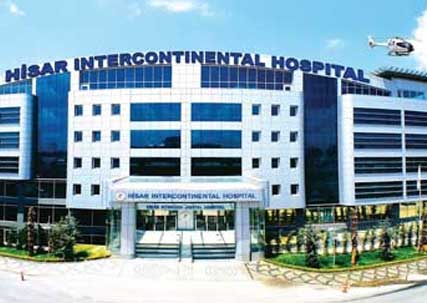
Hisar Intercontinental Hospital
Established in: 2006
Number of Beds: 170
Multi Specialty
Location: Istanbul, Turkey
MGM Hospital, chennai
Established in: 2016
Number of Beds: 400
Multi Specialty
Location: Chennai
Jaslok Hospital Mumbai
Established in: 1973
Number of Beds: 350
Multi Specialty
Location: Mumbai
Sakra World Hospital Bangalore
Established in: 2013
Number of Beds: 300
Multi Specialty
Location: Bangalore
Venkateshwar Dwarka, Delhi
Established in: 2016
Number of Beds: 325
Super Specialty
Location: New Delhi
Gleneagles BGS Hospital, Bangalore
Established in:
Multi Specialty
Location: Bangalore
HCG Cancer Centre Ahmedabad
Established in: 2012
Number of Beds: 75
Single Specialty
Location: Ahmedabad
Metro hospital, Faridabad
Established in: 2002
Number of Beds: 400
Multi Specialty
Location: Faridabad, India
Madhukar Rainbow Children Hospital, Malviya Nagar, New Delhi
Established in: 2018
Number of Beds: 150
Multi Specialty
Location: New Delhi
Our Services
Transparent • Professional • Without Hassles
Compare Cost Estimates
Get detailed cost breakdowns and compare prices across multiple hospitals
Book Doctor Appointment
Schedule appointments with top specialists at your convenience
Hospitalisation Support
Complete assistance from admission to discharge with dedicated care
Video Consultation
Consult doctors online or in-person based on your preference
Travel Assistance
Visa support, flight booking, and airport pickup services
Language Interpreter
Multilingual support to ensure clear communication
Accommodation
Comfortable stay arrangements near the hospital
24/7 Support
Round-the-clock assistance for all your medical needs
Top Cervical Cancer Treatment Specialists

Dr. Sanjeev Kumar
New Delhi4.0
Experience: 15
Education: MBBS , MS , MCh, Fellowship
Get a free consultancy
Dr. Malay Nandy
Noida4.0
Experience: 38
Education: MBBS, MD, DM
Get a free consultancy
Dr. Dharma Choudhary
Gurugram4.0
Experience: 28
Education: MBBS, MD , DM, Fellowship
Get a free consultancy
Prof. Dr. Orhan Sencan
Istanbul, Turkey4.0
Experience: 25
Education:
Get a free consultancy
Dr. Anshuman Kumar
Delhi4.0
Experience: 25
Education: MBBS, MS, MCh, MRCS
Get a free consultancy
Dr. Ashok Vaid
Gurugram, India4.0
Experience: 41
Education: MBBS, MD, DM
Get a free consultancy
Dr. Ajay Kumar Kriplani
4.0
Experience: 33 Years of Experience
Education: Director , MBBS, MS
Get a free consultancy
Dr. Meenu Walia
4.0
Experience: 27 years of experience
Education: Director , MBBS, MS, DNB
Get a free consultancy
Dr. Tapan Singh Chauhan
Gurugram4.0
Experience: 16
Education: MBBS, MS, MCh, Fellowship, MRCS
Get a free consultancy
Dr. Sumant Gupta
Faridabad, India4.0
Experience: 20
Education: MBBS , MD , DM
Get a free consultancy
Get Free Consultation
Fill out the form below and our team will get back to you shortly
Symptoms
Symptoms of Cervical Cancer
In its early stages, cervical cancer may not show noticeable symptoms. However, as the disease progresses, certain signs can emerge, which may include:
-
- Abnormal vaginal bleeding, such as bleeding after intercourse, between periods, or after menopause
- Unusual vaginal discharge that may be watery, bloody, or have a foul odor
- Pelvic pain or pain during intercourse
- Increased urinary frequency or urgency
- Discomfort during urination or bowel movements, in advanced cases
These symptoms can be easily overlooked or mistaken for other conditions, which is why routine screenings like the Pap smear test and HPV testing are vital in early detection and prevention.
Frequently Asked Questions
FAQs
- What is cervical cancer treatment cost in India?
Typical total treatment costs range from ₹2 lakh for early-stage surgery, to ₹6–15 lakh+ for advanced multimodal therapy.
- What shapes the cost of treatment?
Key factors include cancer stage, hospital type, treatment modalities (surgery, radiation, chemo, immunotherapy), and need for reconstruction.
- Is screening affordable and accessible?
Yes—Pap smears cost ₹800–₹2,000, HPV tests ₹2,000–₹5,000, and are subsidized through government programs.
- Can low-income patients get free care?
Yes—hospitals like Tata Memorial, Kidwai, RCC Thiruvananthapuram provide largely free or subsidized care for eligible patients.
- How does India compare cost-wise globally?
Treatment cost in India is roughly one-fifth to one-tenth of equivalent care in developed countries ($3,000–$8,000 versus $30,000–$100,000)
- Which treatments are offered in India?
Surgery, radiation (IMRT, brachytherapy), chemotherapy, targeted therapy, immunotherapy, CyberKnife/SBRT, reconstruction, and rehabilitation.
- What is the prognosis in India?
Early-stage survival exceeds 80–90%; outcomes for advanced stages with combined therapies can reach 60–70% local control.
- Are vaccines available?
Yes—Cervavac, India’s homegrown HPV vaccine, is available at low rates (₹300–₹400 per dose) in public immunization programs.
- Can international patients access telemedicine?
Most top cancer centers offer online consultations, second opinions, and treatment planning before travel.
- What insurance or schemes cover treatment?
Ayushman Bharat, state schemes, and hospital-level subsidies offer significant financial protection.
- Is follow-up care feasible from abroad?
Yes—Indian hospitals support teleconsultations and share full treatment notes to coordinate with local physicians abroad.